

Live, and Nobody Uses It: Solving the Wrong Problem Accurately
A CPQ can be live, correct, and still fail. Low adoption is either a trust issue or a utility issue. Build an advisor, not just a validator.
Tag
Configuration methods for complex offerings, including variant modeling, product rules and scalable maintenance strategies.
A CPQ can be live, correct, and still fail. Low adoption is either a trust issue or a utility issue. Build an advisor, not just a validator.
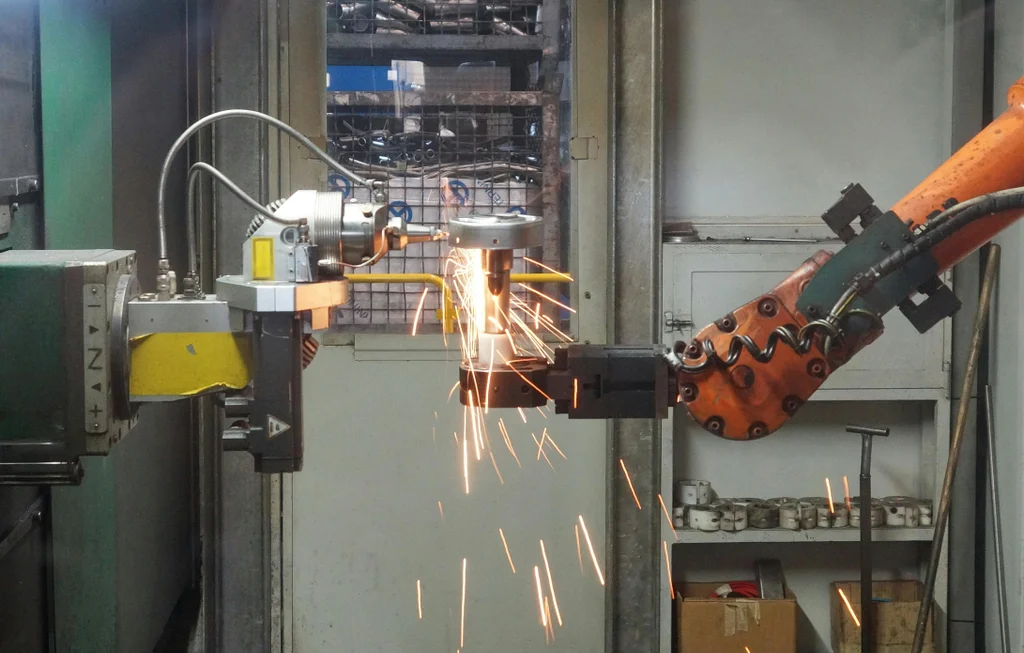
Tired of messy spreadsheets and BOM errors ruining your signage quotes? See how a CPQ demo uses AI to structure product data, eliminate errors, and generate accurate quotes instantly.

A product catalog tells you what exists. A product brain tells you what to do next. It's time to stop managing static content and start building living intelligence.
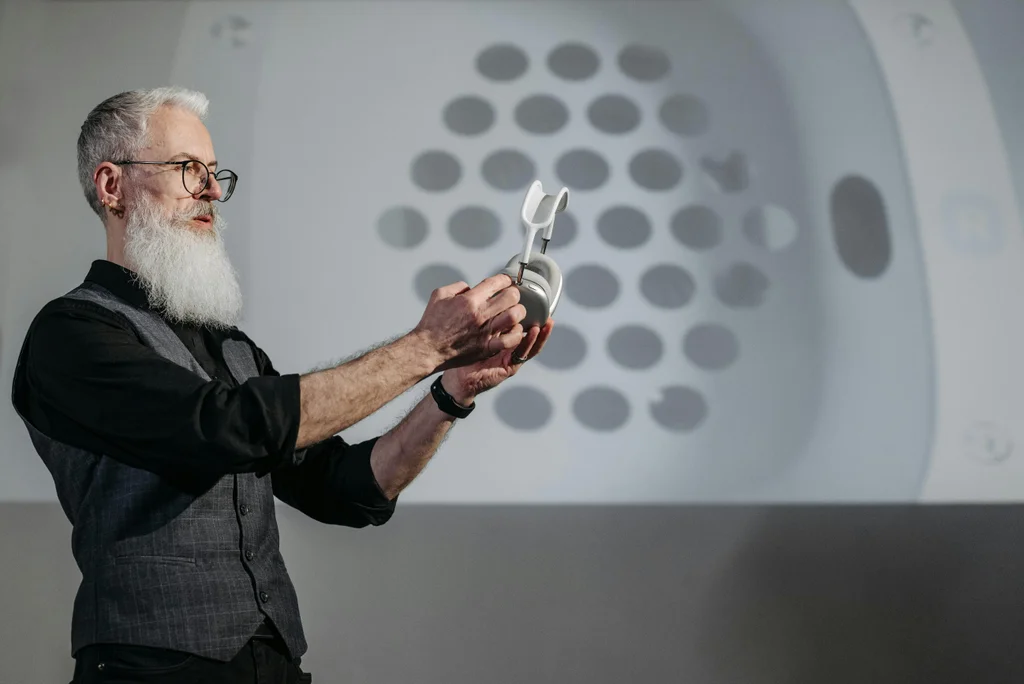
AI doesn't replace your logic; it depends on it. The winning architecture is hybrid: AI handles conversation while your rules engine guarantees correctness.
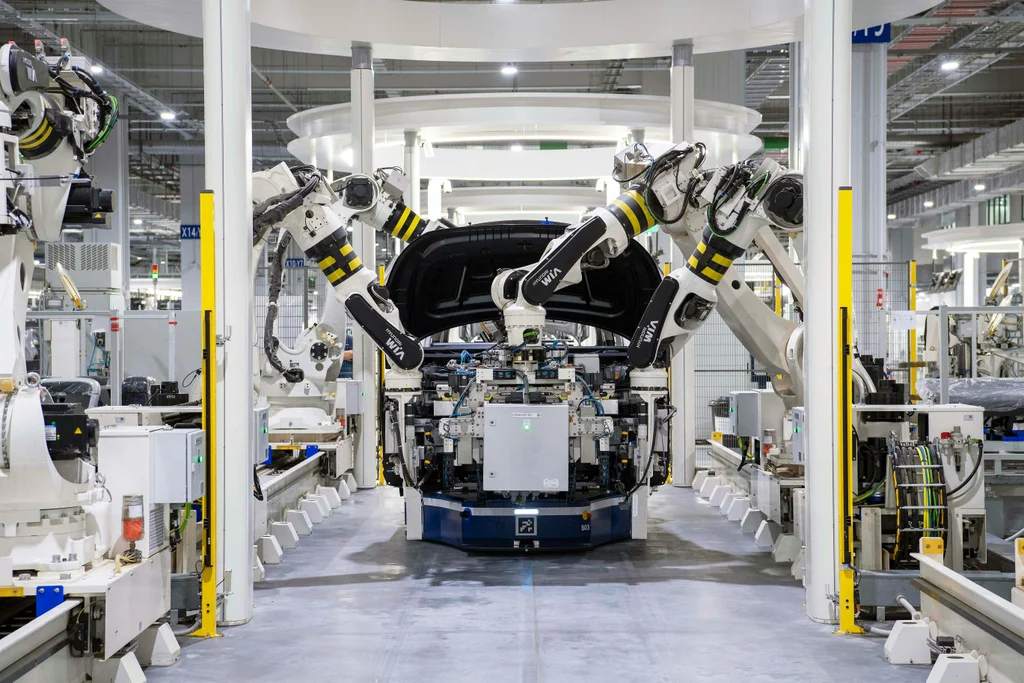
Giving sales the full options list isn't generous, it's friction. They don't need your whole catalog: just the right options, in the right order, for the right deal.
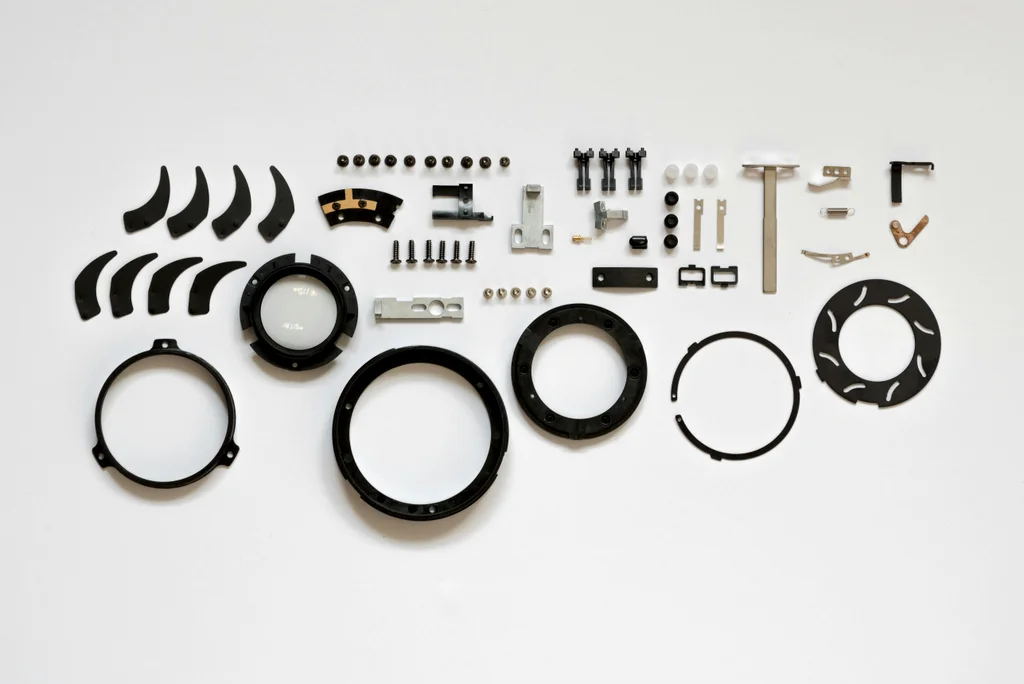
If your best seller still keeps a private spreadsheet, you do not have a quoting capability. You have a detour on the way back to email.
Most teams hit a wall with CPQ and AI: the answers look fluent, but the reasoning is thin. The fix isn't better AI, it's giving the model something worth reasoning with.
When your best product expert is also your biggest sales bottleneck, you don't need a better calculator. You need a smarter translator.
This hands-on training shows how to augment your CPQ with AI-based reasoning by separating context (for AI) from rules (for correctness).
Your guide is a monologue asking buyers to translate their needs into your SKUs. Instead, let your website run the discovery call for them.
AI Copilots help sales write, but the real bottleneck is deciding. A specialist Coach provides correctness over fluency—a safer brain on call for complex quotes.
The bottleneck is not your people, it is human-gatekept knowledge. You are paying principal engineers to be human middleware.
Most CPQ fails by trying to do two jobs. For speed and control, use AI to interpret intent, but let explicit logic alone decide what is true.
When a rep says, "Let me check with engineering," the momentum dies. Your best expertise should be in the conversation, not a calendar invite away.
Customers buy outcomes. Finance buys parts. When your CPQ shows one list to both, you invite margin erosion. It’s time to separate your Sales BOM from your Cost BOM.
The CPQ dream stalls not because the software is weak, but because it's an engine without tracks. The real unlock isn't buying automation; it's building correctness.
Feeding AI your scattered docs and past quotes creates chaos with a smile. Before you automate, you need a single source of product truth.
Speed without correctness isn't acceleration—it's just faster rework. Nothing sinks trust in your CPQ faster than a fast wrong answer.
The key to responsible AI in CPQ is separating context for decision-making from rules for correctness. This adds usability without replacing your existing logic.
AI can't guarantee correct configurations. The solution is hybrid: separate AI's decision context from your CPQ's hard rules.
Your CPQ is fast, but sales still reverts to spreadsheets. The bottleneck isn't clicks, but the gap between what the system says and what they can defend.
Your web store looks modern, but the manual work and margin leaks say otherwise. This isn't an eCommerce problem—it's a missing commercial operating layer.
Deals stall because teams sell a project instead of a start. A one-week workshop is the smallest unit of progress that proves value and lowers risk.
Your CPQ tracks the hidden trade-offs and late deselections that make or break a deal. Most teams ignore this crucial story.