

Fixing the #1 Flaw in B2B Product Configuration
A grayed-out option isn't just a UX flaw; it's a system failure that makes buyers reverse-engineer your product logic. If it can say no, it must say why.
Tag
Explore the next generation of Configure-Price-Quote systems. This series deconstructs how blending conversational AI with deterministic logic engines can transform complex B2B sales, making configuration faster, more intuitive, and accessible to everyone.
A grayed-out option isn't just a UX flaw; it's a system failure that makes buyers reverse-engineer your product logic. If it can say no, it must say why.
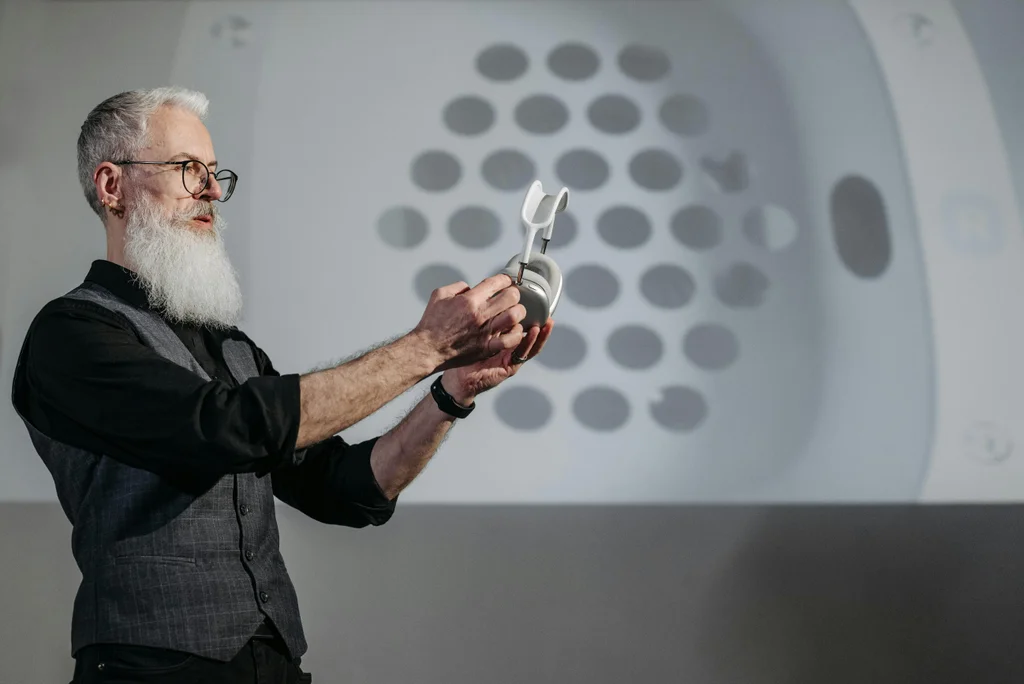
AI doesn't replace your logic; it depends on it. The winning architecture is hybrid: AI handles conversation while your rules engine guarantees correctness.
You can have the perfect configuration and still lose the deal. The friction isn’t in the product; it’s in how you present it to different buyer personalities.

A salesperson typed "I have a house from 1940" and a system produced a correct elevator proposal. This is the moment the front end of B2B sales quietly changes.
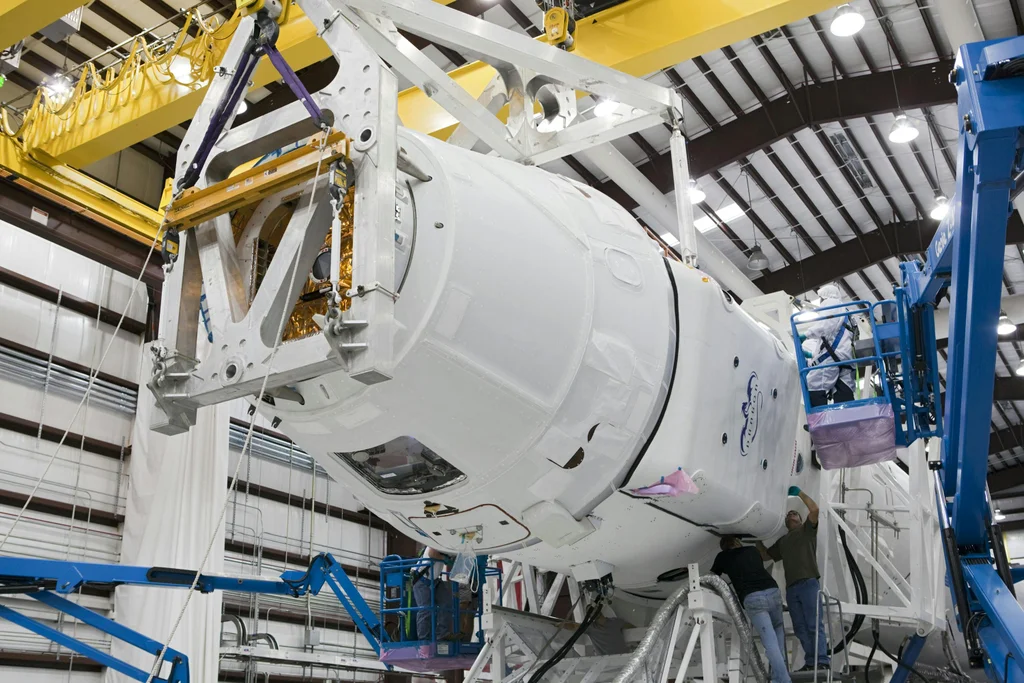
When your best product expert is also your biggest sales bottleneck, you don't need a better calculator. You need a smarter translator.
An LLM can now spec a complex truck from one simple phrase. The real story isn't the speed: it's how conversational AI captures intent the way a buyer actually thinks.
Your guide is a monologue asking buyers to translate their needs into your SKUs. Instead, let your website run the discovery call for them.
Don't choose between AI speed and rule-based safety. The solution is to stack them. Let AI capture intent, then let rules certify a quote your team can trust.
Most will miss the real CPQ shift. It isn't one AI, it's a system of three that blends conversation with guardrails and learns from every deal.
The real prize in CPQ isn't efficiency. It's making your complex, low-volume products economically viable to sell online for the first time.
If your product experts can't update rules without a developer, your CPQ is just a bottleneck. It's time to close the gap between business intent and code using plain language.
A CPQ bot without a voice is just a form with punctuation. To build trust, your sales assistant needs a character, not just more conditional logic.
Generative AI promises speed, but its answers are only plausible, not true. For CPQ, that difference is a costly one. Here's the architecture that gives you both.
If the fastest path to a quote is still outside your CPQ, your system just failed. The bottleneck isn't your logic; it's the human interface to it.
The key to responsible AI in CPQ is separating context for decision-making from rules for correctness. This adds usability without replacing your existing logic.
Your CPQ is correct, but reps still bypass it. That's because it answers the "what" when customers are stuck on the "why." Real guidance is a conversation, not a form.